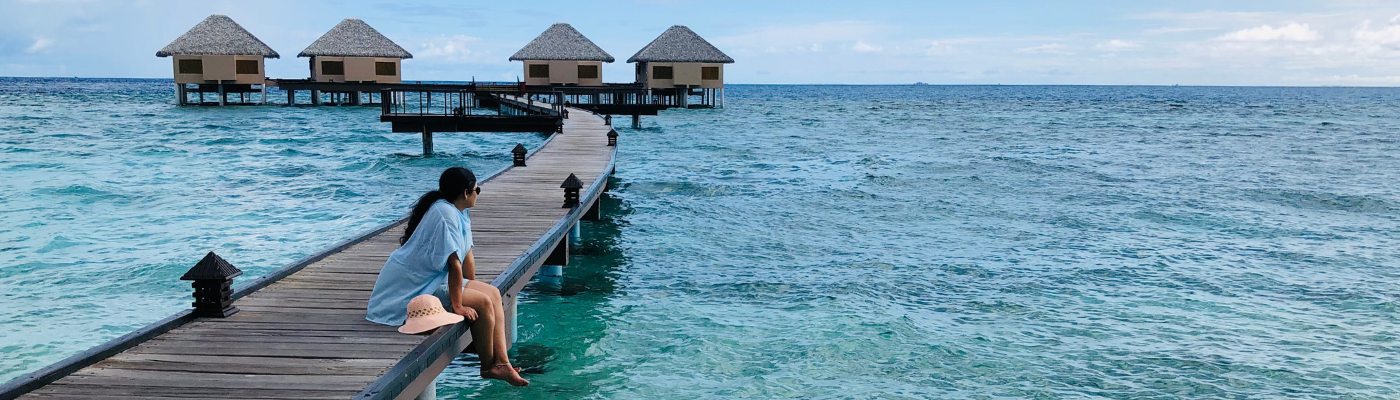

Thailand has long been the gateway drug to international travel for Indians — and for very good reason. It’s close, it’s affordable, it’s beautiful, and the food is extraordinary. Every year, hundreds of thousands of Indian travelers make Thailand their first international destination, and almost all of them come back wanting more.

This Thailand travel guide from India is built specifically for first-time visitors. Whether you’re planning a quick 7-day escape, a romantic couples trip, or a budget backpacking adventure, this guide covers the Thailand visa process for Indians, how much the trip actually costs, a practical 7-day itinerary from Bangkok to Pattaya and beyond, and all the travel tips you need to feel confident before you land.
Let’s get into it.
Why Thailand Is Perfect for First-Time International Travelers from India
Before diving into the details, it’s worth understanding why Thailand works so well for Indian travelers specifically.
- Visa on arrival: Indian passport holders can get a Thailand visa on arrival (or an e-Visa online) — no embassy appointment, no biometrics, no lengthy waiting. This alone removes a major barrier for first-time international travelers.
- Short flight times: Thailand is just 3.5–5 hours from most Indian cities. You don’t lose a day to travel.
- Familiarity with spice: Thai food has enough heat and flavour complexity to satisfy Indian palates, and vegetarian options are more available than most of Southeast Asia.
- Affordable luxury: A 4-star hotel in Bangkok costs less than a 3-star in Mumbai. A full meal costs ₹200–₹400. Massages, temples, island-hopping, nightlife — all of it is genuinely accessible on an Indian salary.
- Variety: Beach holidays, cultural exploration, adventure activities, shopping, nightlife — Thailand offers everything in one destination.
If you’re comparing Thailand to other first-trip options, our Vietnam travel guide from India is also worth reading — both are excellent, and many Indian travelers end up doing both on the same Southeast Asia trip.
Thailand Visa for Indians: Everything You Need to Know
Visa on Arrival (VOA)
- Indian passport holders are eligible for a Thailand Visa on Arrival at major international airports including Suvarnabhumi (Bangkok), Phuket, and Chiang Mai.
- Validity: 15 days (single entry)
- Fee: THB 2,000 (approximately ₹4,800)
- Processing: Handled at the immigration desk on arrival
- Queue times: Can be 30–90 minutes at peak times — factor this into your arrival plans
Documents required at the VOA counter:
- Valid Indian passport (6+ months validity)
- Completed arrival card (given on the flight)
- Passport-size photograph
- Return flight ticket
- Hotel booking confirmation
- Proof of funds: THB 20,000 per person / THB 40,000 per family in cash or bank statement
Thailand e-Visa (Recommended)
For a smoother arrival, the Thailand e-Visa is a better option — apply online before travel and skip the VOA queue entirely.
- Validity: 30 days (TR visa / tourist visa)
- Fee: Approximately USD 35 (around ₹2,900)
- Processing time: 3–5 business days
- Apply at: thaievisa.go.th
The e-Visa gives you 30 days versus just 15 for VOA, making it the smarter choice for anyone planning more than a quick trip.
Common Visa Mistakes to Avoid
- Not carrying a physical printout of your hotel booking
- Insufficient cash (immigration officers do occasionally ask)
- Overstaying your visa — the fine is THB 500 per day and can affect future travel to Thailand
- Applying through unofficial third-party sites (use only the official government portal for e-Visa)
For a comprehensive breakdown of the visa process across Singapore, Thailand, and Malaysia, see our visa guide for Indians traveling to Southeast Asia.
Best Time to Visit Thailand from India
Thailand has three seasons — hot, rainy, and cool — and the best time to visit depends on where you’re going.
| Region | Best Months | Avoid | Notes |
|---|---|---|---|
| Bangkok | Nov – Feb | Apr (hottest) | Nov–Feb is ideal — cool and dry |
| Chiang Mai | Nov – Feb | May–Oct (wet season) | Smoky haze in March–April |
| Phuket / Krabi | Nov – April | May–Oct (west coast monsoon) | Best beaches Nov–April |
| Koh Samui / Koh Phangan | Jan – Sep | Oct–Dec (east coast monsoon) | Different monsoon timing from Phuket |
| Pattaya | Nov – Feb | Sep–Oct (heavy rain) | Year-round destination but best Nov–Feb |
For Indian travelers, the sweet spot is November to February. This aligns with Indian school holidays (Christmas/New Year) and offers the most comfortable weather across all regions. Book flights and hotels well in advance for this peak period — prices rise sharply from mid-December.
Thailand Trip Cost from India: Realistic Budget Breakdown
Thailand is significantly cheaper than European destinations, and comparable to or slightly more expensive than Vietnam. Here’s what to expect:
Per-Day Expenses
| Expense | Budget Traveler | Mid-Range | Comfortable |
|---|---|---|---|
| Accommodation | ₹800–₹2,000 (hostel/guesthouse) | ₹3,000–₹6,000 (3-star hotel) | ₹7,000–₹15,000 (4-star) |
| Food | ₹500–₹1,000 (street food/local) | ₹1,500–₹3,000 (mix of local + restaurant) | ₹3,000–₹6,000 |
| Local Transport | ₹300–₹600 | ₹800–₹1,500 | ₹2,000–₹4,000 |
| Attractions | ₹400–₹800 | ₹1,000–₹2,500 | ₹2,500–₹5,000 |
| Daily Total | ₹2,000–₹4,400 | ₹6,300–₹13,000 | ₹14,500–₹30,000 |
Approximate rate: 1 THB ≈ ₹2.40
Total Trip Cost (Including Flights from India)
| Duration | Budget | Mid-Range | Comfortable |
|---|---|---|---|
| 7 days | ₹40,000–₹65,000 | ₹80,000–₹1,40,000 | ₹1,60,000–₹3,00,000 |
| 10 days | ₹55,000–₹90,000 | ₹1,10,000–₹1,90,000 | ₹2,20,000–₹4,00,000 |
Return flights from India to Bangkok typically range from ₹12,000–₹30,000 depending on your departure city, airline, and booking lead time. IndiGo, Air Asia, Thai Airways, and Vistara all serve this route.
7-Day Thailand Itinerary for Indian First-Timers
- This classic north-to-south (or Bangkok-first) itinerary covers the highlights that most first-time visitors want — Bangkok’s temples and nightlife, the beaches of Pattaya or Phuket, and some cultural depth in between.
Day 1: Arrive in Bangkok
- Land at Suvarnabhumi Airport. Get your VOA or e-Visa stamp, exchange some INR to THB at the airport, and take the Airport Rail Link to the city (45 minutes, THB 45).
- Check into your hotel. Evening: walk Khao San Road for the classic Bangkok backpacker experience, or head to Asok/Sukhumvit for a more upscale street food dinner.

Day 2: Bangkok Temples & Grand Palace
Full day exploring Bangkok’s historic core.
- Wat Phra Kaew (Temple of the Emerald Buddha) & Grand Palace — the most visited landmark in Thailand. Arrive by 9am to beat crowds. Entry: THB 500.
- Wat Pho — home to the enormous Reclining Buddha. Entry: THB 200. Get a traditional Thai foot massage at the temple school (THB 420 for 30 minutes).
- Wat Arun — the Temple of Dawn, best photographed at sunset from across the Chao Phraya river.
- Take the Chao Phraya Express Boat between sites (THB 15–30 per trip) — the cheapest and most scenic way to get around.
Evening: Eat pad thai and mango sticky rice at Tha Maharaj riverside market.

Day 3: Bangkok Shopping & Nightlife
- Morning: Chatuchak Weekend Market (Saturdays and Sundays only — adjust your itinerary accordingly) — 15,000 stalls of clothes, crafts, antiques, street food, and more. If not a weekend, visit MBK Center or Siam Paragon for shopping.
- Afternoon: Jim Thompson House (silk tycoon’s heritage home, excellent museum) or Bangkok Art and Culture Centre.
Evening: Rooftop bar at Vertigo (Banyan Tree Hotel) or Sky Bar (State Tower) — the setting from The Hangover Part II. Worth the splurge for the views.

Day 4: Day Trip to Ayutthaya or Travel to Pattaya
- Option A — Ayutthaya (Culture): Take the train from Hua Lamphong Station (1.5 hours, THB 15–50) to Ayutthaya, Thailand’s ancient capital. Rent a bicycle and explore the UNESCO-listed temple ruins at your own pace. Return to Bangkok by evening.
- Option B — Travel to Pattaya (Beach & Nightlife): Take a direct bus from Bangkok’s Ekkamai Bus Terminal (2 hours, THB 130). Check into Pattaya, relax on Jomtien Beach, and explore the beachfront in the evening.

Day 5: Pattaya
- Morning: Coral Island (Koh Larn) day trip — 45-minute ferry from Bali Hai Pier (THB 30 each way). Snorkel, swim, and eat fresh seafood on a far less crowded beach than Pattaya’s main strip.
- Afternoon: Return to Pattaya. Visit the Sanctuary of Truth — an extraordinary all-wood temple carved entirely from teak, built without a single nail. Entry: THB 500.
- Evening: Walking Street Pattaya — Thailand’s most famous (and most intense) entertainment strip. Walk through once for the experience; food, drinks, and people-watching are the highlights.

Day 6: Return to Bangkok / Fly to Phuket
- For beach lovers: Fly from Bangkok to Phuket (1.5 hours, from THB 600–1,500 on AirAsia or Nok Air). Check into your resort, spend the afternoon at Patong or Kata Beach.
- For city lovers: Return to Bangkok. Spend the day in Chinatown (Yaowarat) — the best street food in Bangkok, including the city’s finest grilled seafood and yen ta fo (pink noodle soup). Evening at Asiatique The Riverfront — an open-air night market along the river.

Day 7: Depart
- Morning at leisure — last-minute shopping at Chatuchak or MBK, a final Thai massage, or a canal (khlong) boat tour through Bangkok’s old neighbourhood. Head to the airport for your evening flight home.

10-Day Thailand Itinerary Extension
- If you have 10 days, add 3 days in either direction:

Add Chiang Mai (North Thailand):
Day 1–2 Chiang Mai: Elephant sanctuary experience (half-day), old city temples (Doi Suthep is unmissable), Sunday Night Market, Thai cooking class.
- Day 3: Doi Inthanon National Park day trip (Thailand’s highest peak, twin chedis, Karen hill tribe villages).
Add Phuket/Krabi (South Thailand):
- Day 1–2 Phuket: Phi Phi Islands day trip, Phang Nga Bay (James Bond Island), Patong Beach.
- Day 3 Krabi: Railay Beach (accessible only by longtail boat), Tiger Cave Temple (1,237 steps to a panoramic summit), four island snorkelling tour.
Top Places to Visit in Thailand
Bangkok
- Why visit: Thailand’s electric capital is a city of extreme contrasts — ancient temples beside glittering malls, street food carts beside rooftop bars. The energy is unlike anywhere else.
- Highlights: Grand Palace, Wat Pho, Chatuchak Market, Chao Phraya river, Chinatown, Khao San Road, rooftop bars.
Duration: 3–4 days minimum
Pattaya
- Why visit: Just 2 hours from Bangkok, Pattaya is Thailand’s most accessible beach destination and one of the most popular among Indian tourists. Beyond its famous nightlife, Pattaya also offers islands, water parks, cultural sites, and adventure activities.
- Highlights: Coral Island, Sanctuary of Truth, Nong Nooch Tropical Garden, Walking Street, Cartoon Network Amazone Water Park (great for families).
Duration: 2–3 days
Phuket
- Why visit: Thailand’s largest island is the gold standard for Thai beach holidays — international-quality resorts, excellent diving, and stunning Andaman Sea scenery.
- Highlights: Patong Beach, Phi Phi Islands, Phang Nga Bay, Big Buddha, Old Phuket Town.
Duration: 3–4 days
Chiang Mai
- Why visit: Northern Thailand’s cultural capital — a walled ancient city surrounded by mountains, famous for temples, elephant sanctuaries, trekking, and the best Thai cooking classes in the country.
- Highlights: Doi Suthep, Sunday Night Market, elephant experiences, Thai cooking class, Doi Inthanon.
Duration: 2–3 days
Krabi & Railay Beach
- Why visit: Dramatic limestone karsts rise from turquoise water, and Railay Beach — accessible only by boat — is one of the most beautiful stretches of sand in Southeast Asia.
- Highlights: Railay Beach, Tiger Cave Temple, four islands tour, Ao Nang beachfront.
Duration: 2–3 days
Koh Samui
- Why visit: Thailand’s second-largest island offers a more relaxed, upscale alternative to Phuket with beautiful beaches, luxury resorts, and less crowding.
- Highlights: Chaweng Beach, Ang Thong Marine Park, Big Buddha, Na Muang waterfalls.
Duration: 3–4 days
Getting Around Thailand
- Domestic flights: The cheapest and fastest way to cover large distances. Bangkok–Phuket, Bangkok–Chiang Mai, and Bangkok–Koh Samui are all well-served by AirAsia, Nok Air, and Thai Smile. Book 4–6 weeks ahead for the best fares (from THB 400–1,500 one way).
- Trains: Comfortable and scenic for Bangkok–Chiang Mai (overnight sleeper, THB 600–1,400) and Bangkok–Ayutthaya. The State Railway of Thailand network is slower than flying but more atmospheric. Book at railway.co.th.
- Buses: VIP buses connect Bangkok to Pattaya, Hua Hin, and Chiang Mai at very affordable prices (THB 100–800 depending on distance). Useful for budget travelers.
- Grab app: Essential in Bangkok, Chiang Mai, Phuket, and Pattaya for car and motorbike taxis. Always shows fare upfront. Much safer than negotiating with tuk-tuks for long distances.
- Tuk-tuks: Fun for short hops in Bangkok and Chiang Mai but agree on the price before you get in. Never accept a tuk-tuk driver’s offer to take you to a “gem shop” or “tailor” — this is a classic commission scam.
- Songthaew: Red shared pickup trucks that act as informal local buses in Pattaya and Chiang Mai. Very cheap (THB 10–30 per ride) once you figure out the routes.
Food Guide for Indian Travelers in Thailand
Good News: Thailand Is One of the Most Indian-Friendly Food Destinations in Asia
Thai cuisine uses many of the same base ingredients as Indian cooking — coconut milk, turmeric, lemongrass, chillies — so the flavours feel both exotic and approachable. Most dishes can be made without meat on request.
Must-Try Thai Dishes
- Pad Thai: Stir-fried rice noodles with egg, tofu or shrimp, tamarind, and peanuts. The Thai national dish for good reason.
- Green Curry (Gaeng Keow Wan): Coconut milk curry with Thai basil and vegetables. Ask for “jai” (vegetarian) and it’s fully plant-based.
- Tom Yum soup: Hot and sour prawn soup with lemongrass, galangal, and kaffir lime. Intensely flavourful.
- Mango Sticky Rice: Sweet glutinous rice with fresh mango and coconut cream. The best dessert in Southeast Asia.
- Som Tum (Papaya Salad): Shredded green papaya with chilli, lime, fish sauce, and peanuts. Spicy, crunchy, addictive.
- Massaman Curry: A mild, rich curry influenced by Indian and Malay cuisine — particularly familiar to Indian palates.
- Roti with banana and Nutella: A street food staple outside temples and markets. The Thai roti is lighter and crispier than Indian roti.
Vegetarian Food in Thailand
- Thailand is more vegetarian-friendly than its reputation suggests. Look for the word “jai” (เจ) which means vegan/vegetarian on menus and stall signs. During the annual Vegetarian Festival (October/November, especially in Phuket), the entire city goes into vegetarian mode.
- Indian restaurants are plentiful in Bangkok (Pahurat/Little India area, Sukhumvit), Phuket, and Pattaya. Many serve North Indian and South Indian food at reasonable prices.
Food Safety Tips
- Drink bottled water — tap water is not safe
- Street food from busy stalls is generally safe; avoid pre-prepared food that’s been sitting out
- Be careful with raw shellfish
- Carry basic stomach medication as a precaution
Thailand Travel Tips for Indians
- Currency: Thai Baht (THB). 1 THB ≈ ₹2.40. Exchange INR to USD before departure, then convert to THB in Thailand at licensed money changers (better rates than banks or airports). Superrich Money Exchange in Bangkok offers excellent rates.
- SIM card: Buy a tourist SIM at the airport on arrival. AIS, True Move, and DTAC all offer tourist packages with generous data for THB 299–599 (7–30 days). Coverage is excellent across the country.
- Respect for the monarchy: Thailand’s royal family commands deep reverence. Never make critical comments about the King or royal family — it is not only socially unacceptable but can also be a serious legal issue under Thailand’s lèse-majesté laws.
- Temple etiquette: Dress modestly at temples — shoulders and knees must be covered. Many temples provide sarongs at the entrance. Remove shoes before entering temple buildings.
Scams to watch for:
- Tuk-tuk drivers offering “free city tour” (they take you to overpriced gem or tailor shops)
- Closed tourist sites (a stranger will tell you a landmark is closed and offer to take you somewhere else — it isn’t)
- Taxi drivers refusing to use the meter — insist on the meter or use Grab
- “Friendly strangers” at tourist spots leading you to commission-based shops
- Haggling: Expected at markets (Chatuchak, floating markets, night bazaars). Not expected at malls, restaurants, or 7-Eleven.
- 7-Eleven culture: Thailand has more 7-Elevens per capita than almost anywhere in the world. They’re useful for cheap snacks, bottled water, ATM withdrawals, and even decent hot meals.
- Health: No specific vaccinations required for India–Thailand travel, but ensure routine vaccinations are up to date. Dengue is present — use mosquito repellent, especially in forested areas and islands.
Thailand vs Vietnam: Which Is Better for First-Time Indian Travelers?
| Factor | Thailand | Vietnam |
|---|---|---|
| Visa | VOA (15 days) or e-Visa (30 days) | e-Visa (90 days) |
| Beaches | World-class (Phuket, Krabi, Koh Samui) | Good (Phu Quoc, Da Nang, Nha Trang) |
| Street Food | Excellent, Indian-palate friendly | Excellent, requires more adventurousness |
| Cost | Moderate (slightly pricier than Vietnam) | Lower overall |
| Culture & History | Rich (temples, ancient capitals) | Very rich (Hue, Hanoi, Hoi An) |
| Nightlife | Very developed (Bangkok, Phuket, Pattaya) | Good (Hanoi, HCMC) |
| Ease for first-timers | Very easy | Easy |
| English spoken | Widely in tourist areas | Widely in tourist areas |
| Indian food available | Widely | Available in major cities |
| Vegetarian options | Good (ask for “jai”) | Good in cities |
- Verdict: Thailand wins on beach quality, ease, and nightlife. Vietnam wins on budget, cultural depth, and uniqueness. Both are excellent first international trips — if you can only choose one right now, Thailand is the slightly softer landing.
Thailand Budget Trip Tips: Making the Most of Every Rupee
- Book flights 60–90 days in advance. Prices spike sharply for December–January travel. Tuesday and Wednesday departures tend to be cheapest.
- Stay in hostels or guesthouses on Khao San Road. Clean dorm beds from THB 250–400 (₹600–₹960). Private rooms from THB 600–1,200 (₹1,440–₹2,880).
- Eat where locals eat. Street food and local restaurants (look for places without English menus) are always cheaper and often better. A plate of khao man gai (chicken rice) or pad see ew at a local stall costs THB 50–80 (₹120–₹192).
- Use public transport. Bangkok’s BTS Skytrain and MRT are fast, air-conditioned, and affordable (THB 16–59 per trip). Much better than taxis in traffic.
- Time island visits carefully. The ferry to Koh Phi Phi from Phuket costs THB 350–600 (around ₹840–₹1,440). Day trips are possible but an overnight stay unlocks the island after the day-trippers leave — and sunsets are stunning.
- Get a Thai massage every day. A legitimate Thai massage at a proper shop (not a tourist trap) costs THB 200–350 per hour (₹480–₹840). Budget for at least one per day — it’s one of Thailand’s great affordable indulgences.
For broader tips on keeping international trip costs down, read our guide on traveling on a budget from India for international trips.
Frequently Asked Questions About Thailand for Indian Travelers
- Is Thailand safe for Indian tourists? Yes, Thailand is generally very safe for tourists. Tourist areas are well-patrolled and violent crime against visitors is rare. The main concerns are petty scams (covered above), road safety (be careful crossing streets — traffic drives on the left), and occasional political demonstrations in Bangkok that are best avoided.
- How much cash should I carry in Thailand? Plan for THB 2,000–3,000 (₹4,800–₹7,200) per day per person for a comfortable mid-range experience. Keep some cash for smaller vendors; larger restaurants, malls, and hotels accept cards widely.
- Is Thailand expensive compared to India? Thailand is moderately more expensive than Indian cities for accommodation and attractions, but food from street stalls and local restaurants is very affordable. Overall, a Thailand trip is 30–50% cheaper than a comparable European trip.
- Can Indian passport holders get visa on arrival for Thailand? Yes. Indian passport holders are eligible for a 15-day Visa on Arrival at major Thai airports (THB 2,000 fee). The e-Visa (30 days) is recommended for longer stays and to skip queues.
- What is the best way to travel between Bangkok and Pattaya? The most convenient option is a direct bus from Bangkok’s Ekkamai Bus Terminal (every 30 minutes, 2 hours, THB 130). Alternatively, hire a taxi or book a private transfer (around THB 1,500–2,500). There is no direct train service.
- Do I need travel insurance for Thailand? Strongly recommended. Thailand’s private hospitals are excellent but expensive. A basic policy covering medical emergencies, trip cancellation, and baggage loss costs ₹500–₹1,500 for a 7-day trip.
- Is Thailand good for solo female travelers from India? Yes — Thailand consistently ranks as one of Southeast Asia’s safest destinations for solo women. Tourist areas are busy, well-lit, and services like Grab remove the unpredictability of negotiating with strangers for transport. Standard precautions apply: avoid walking alone in unfamiliar areas very late at night.
- Can I use Indian credit/debit cards in Thailand? Yes, Visa and Mastercard are accepted at most hotels, malls, and larger restaurants. ATMs dispense Thai Baht and are widely available. Inform your bank before travel to avoid international transaction blocks. ATM fees in Thailand are THB 220 per withdrawal — exchange cash at money changers to minimize fees.
- Is it easy to find vegetarian food in Thailand? Easier than most of Southeast Asia. Look for “jai” (เจ) on menus and stalls. Indian restaurants in Bangkok, Phuket, and Pattaya serve full vegetarian menus. Fruit, smoothies, spring rolls, and vegetable curries are widely available everywhere.
- How many days are enough for Thailand? 7 days covers Bangkok and one beach or northern destination comfortably. 10–12 days lets you do Bangkok + Chiang Mai + Phuket/Krabi — the ideal first trip. Two weeks gives you time to island-hop or add a slower pace.
Conclusion: Why Thailand Should Be on Every Indian Traveler’s Bucket List
- Thailand remains one of the world’s great travel destinations for a reason. It rewards first-time international travelers with easy logistics, affordable luxury, extraordinary food, and enough variety — temples, beaches, mountains, nightlife, culture — to make every trip feel different.
- This Thailand travel guide from India has covered the essential ground: the visa process (VOA or e-Visa), realistic costs in INR, a practical 7-day itinerary from Bangkok to Pattaya and beyond, the best places to visit, food tips for Indian palates, and the travel tips that will make your first trip smooth and memorable.
To recap the essentials:
- Recommended duration: 7–10 days for a first trip
- Best time: November to February
- Budget: ₹40,000–₹65,000 for a 7-day budget trip including flights; ₹80,000–₹1,40,000 for mid-range
- Visa: 15-day Visa on Arrival (THB 2,000) or 30-day e-Visa online
Thailand is waiting. Start planning today.
Also planning Southeast Asia? Read our Vietnam travel guide from India — another unmissable first trip destination. And for Singapore visa requirements, see our complete Southeast Asia visa guide for Indians.